 info@slovklima.sk
Water-to-Water Heat Pump: Why Is It the Ideal Solution for Eco-Friendly Heating?

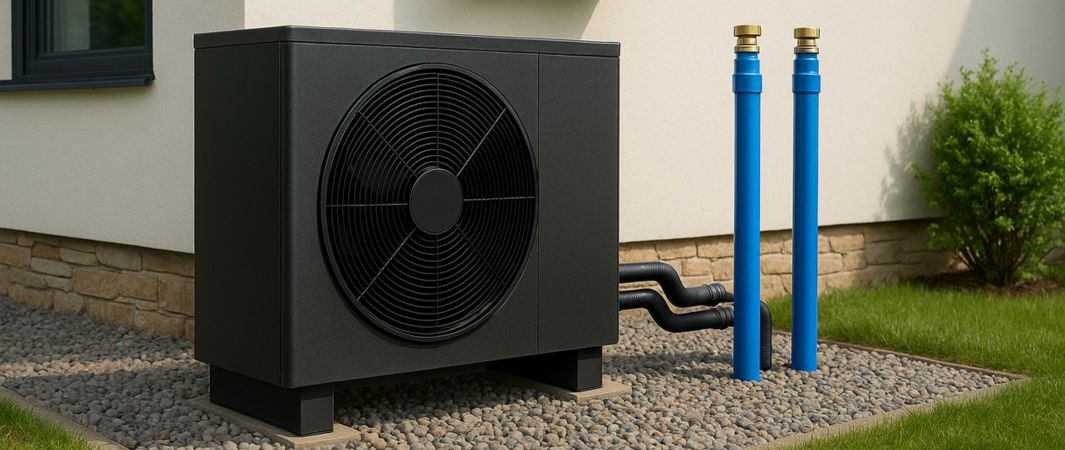
A water-to-water heat pump is a modern solution for heating and cooling buildings. It combines energy savings with environmental sustainability. It uses heat from groundwater as a reliable and stable source, which leads to lower heating costs. The popularity of this system is growing not only among homeowners but also among owners of larger commercial or industrial properties who want to invest in long-term, sustainable heating.
In this article, we will focus on the advantages of a water-to-water heat pump and discuss the practical aspects of its installation and operation. You will learn why this solution is suitable for various types of buildings and what factors to consider when choosing one.
How does a water-to-water heat pump work?
The basic principle behind a water-to-water heat pump is the use of natural thermal energy from groundwater. Water is drawn from a borehole or well, passes through a heat exchanger where it transfers its energy, and is then returned to the ground. This closed-loop cycle minimizes the environmental impact while ensuring high system efficiency.
In practice, this means that even when it’s freezing outside, groundwater maintains a stable temperature (usually around 8–12 °C). A heat pump can use this energy to heat water for radiators, underfloor heating, or to provide hot water for domestic use. In the summer, the system can also be used for cooling by transferring excess heat from the interior back into the groundwater.
Modern units feature advanced electronics that regulate output based on the building’s current needs. This reduces electricity consumption and extends the equipment’s service life. In addition, efficient compressor control allows for output modulation, so the system can adapt to changing conditions—whether it’s the size of the building, the type of heating system, or outdoor temperatures.
Advantages of a Water-to-Water Heat Pump
One of the greatest advantages of a water-to-water system is its consistent efficiency throughout the year. While air-source heat pumps lose efficiency at low temperatures, water-to-water systems maintain stable performance thanks to a constant source of energy from the ground. The result is a higher seasonal coefficient of performance (SCOP) and lower operating costs.
Another advantage is its versatility—it is suitable for single-family homes, apartment buildings, office buildings, or industrial facilities. The unit is also very quiet, which you’ll appreciate in living spaces where noise is often a significant factor in comfort.
In addition to the economic and acoustic benefits, it is important to mention the environmental benefits as well. A water-to-water heat pump uses a renewable energy source and significantly reduces CO₂ emissions. This helps lower the carbon footprint and contributes to meeting sustainable development goals.
One of the major advantages of a water-to-water system is its longevity. With proper maintenance, it can operate reliably for up to two decades or longer. This means that, in addition to significant energy savings, the owner also benefits from lower maintenance costs and less frequent replacement compared to conventional heating solutions.
Practical Aspects of Installing and Operating a Water-to-Water Heat Pump
Installing this type of heat pump requires thorough preparation and a professional approach. A key factor is access to a suitable groundwater source with sufficient quality and flow rate to ensure optimal system performance. Before proceeding with the installation, it is also necessary to consider the legal requirements regarding water extraction and return to the environment. These requirements may vary by region.
Another important consideration is the placement and sizing of the equipment to ensure easy access for service and maintenance. Proper design and professional installation contribute to maximum operational efficiency and help prevent frequent technical problems.
To ensure reliability and a long service life, it is advisable to use the services of qualified professionals who can accurately design the system according to specific conditions and ensure its proper operation from day one.
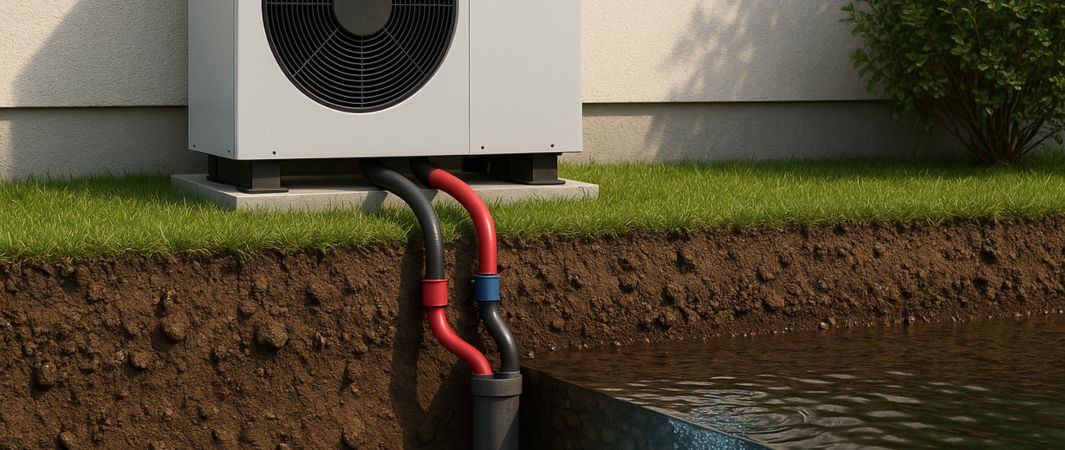
The Suitability of Water-to-Water Heat Pumps for Various Buildings
A water-to-water heat pump is a flexible solution suitable for both single-family homes and larger buildings such as apartment buildings, schools, and office buildings. Its stable performance and efficiency make it ideal, especially in areas with accessible groundwater sources and suitable hydrogeological conditions.
Thanks to its ability to both cool and heat efficiently, it can accommodate seasonal fluctuations and ensure a comfortable indoor environment throughout the year. In addition, it is also suitable for renovating existing buildings, where it can replace or supplement older, less energy-efficient heating systems.
However, before installation, it is important to assess not only the availability of water but also the performance requirements so that the system can operate optimally and economically. When selected correctly, a water-to-water heat pump represents a modern, efficient, and sustainable heating and cooling solution for a wide range of buildings.
Conclusion: Water-to-water heat pump
A water-to-water heat pump is one of the most energy-efficient and environmentally friendly solutions for heating and cooling buildings. It utilizes renewable energy from groundwater sources and can operate reliably even under challenging climatic conditions, thereby helping to reduce operating costs and environmental impact.
If you plan to take full advantage of this modern system, it is essential to focus on selecting the right equipment, having it professionally installed, and performing regular maintenance. This will ensure reliable, long-term operation without unnecessary problems.

FAQ
Groundwater is pumped from the well, transfers heat in the heat exchanger, and returns to the ground. The stable water temperature enables heating, hot water production, and summer cooling.
Yes. Since the heat source is stable, the system maintains its output even in freezing temperatures, achieves a higher seasonal performance factor, and results in lower operating costs.
The availability and quality of groundwater with sufficient flow, local permits for water withdrawal and return, and the proper location and sizing of the facility.
For single-family homes, apartment buildings, schools, office buildings, and industrial facilities in areas with suitable hydrogeological conditions. It is also suitable for renovation projects.
The units are very quiet. Thanks to a stable heat source, they maintain consistent comfort in both heating and cooling throughout the year.
With proper maintenance, the system can last for many years. The key is high-quality design, professional installation, and regular maintenance checks.