 info@slovklima.sk
Solder and Soldering Copper Tubes: What You Need to Know for a Reliable Connection

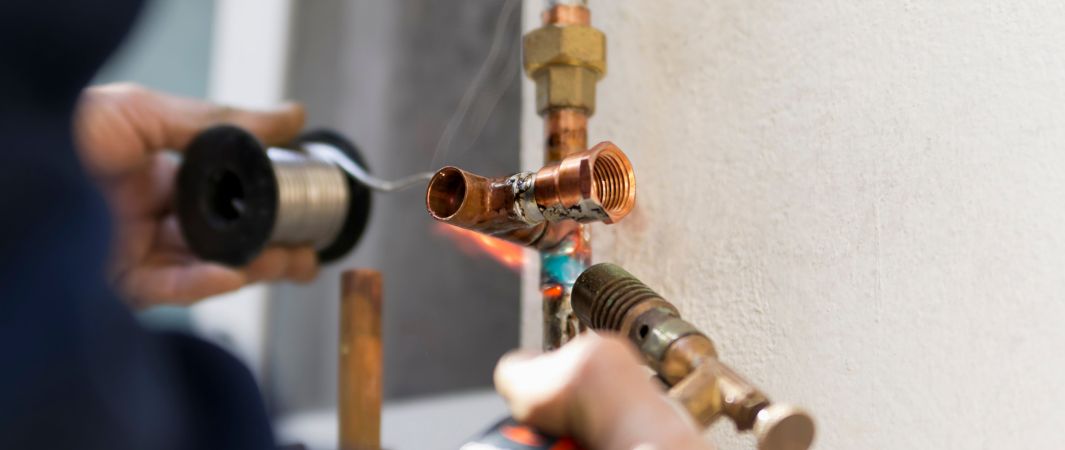
Solder is essential for creating high-quality, strong joints when soldering copper pipes in refrigeration and air conditioning systems. Properly selected and applied brazing alloys ensure that joints remain leak-tight and maintain long-term resistance to pressure, temperatures, and repeated operational changes.
Precise soldering requires not only high-quality materials but also a thorough understanding of the techniques that prevent leaks and unnecessary damage to the system. In the following sections, we provide practical advice on how to achieve reliable joints without complications.
Choosing the Right Fittings for Copper Pipes
When soldering copper pipes, choosing the right solder is crucial for the quality and durability of the joint. Solder must have the correct melting point, be compatible with the material, and be resistant to corrosion and mechanical stress.
Tin or tin-copper solders are most commonly used, as they ensure strong and leak-tight joints. For cooling systems, silver-containing solders are suitable, as they increase mechanical strength and resistance to vibration and pressure.
It is also important to use the right fluxes, which help remove oxides from the surface of copper tubes and ensure better solder adhesion. Choosing the right type of flux depends on the specific application and soldering conditions.
The Proper Technique for Soldering Copper Pipes
The quality of the joint depends not only on the choice of solder, but also on the proper soldering procedure. Before soldering, it is essential to thoroughly clean and degrease the surface of the tubes to remove impurities and oxides that can reduce the solder’s adhesion.
When heating, apply the solder to the joint once the metal is sufficiently hot, not directly onto the torch. This ensures even melting of the solder and a high-quality bond between the materials.
It is important to avoid overheating, which could damage the material or alter the properties of the solder. After soldering is complete, the joint should be smooth, free of cracks and irregularities, ensuring a long service life and reliability.
Common Mistakes When Soldering Copper Tubes and How to Fix Them
When soldering copper pipes, errors may occur that affect the quality and service life of the joint. The most common ones include:
- Insufficient surface cleaning —residues of dirt or oxides prevent proper adhesion of the solder and can cause leaks.
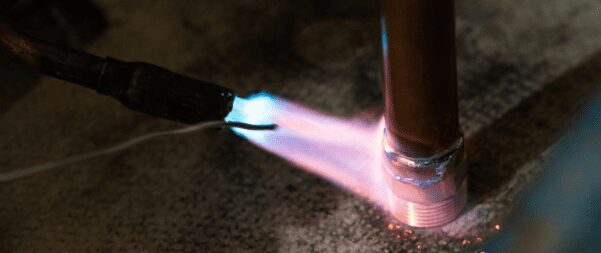
- Improper heating of the joint —if the material is underheated, the solder will not adhere; if overheated, the copper pipe may be damaged or the solder may lose its properties.
- Use of an unsuitable type of solder or flux —incorrect material selection can lead to a weak joint and reduced corrosion resistance.
- Insufficient amount of solder —a thin or incomplete joint can lead to leaks or mechanical failure.
- Improper cooling of the joint —cooling that is too rapid or uneven can cause cracks and weaken the joint.
Follow proper procedures and use high-quality materials to prevent these problems and ensure the long-term reliability of your solder joints.
Safety Precautions When Soldering Copper Tubes
Soldering copper pipes requires adherence to safety precautions to prevent injuries and damage to equipment. When working, wear protective gloves, goggles, and appropriate clothing to protect yourself from hot solder droplets and sparks.
It is important to ensure adequate ventilation of the work area, as soldering can release harmful fumes from fluxes and soldering materials.
Use tools that are in good condition and regularly maintained to prevent accidents and ensure high-quality work. Also, be sure to undergo training and comply with internal safety regulations.
Maintenance and Inspection of Soldered Joints
After successful soldering, it is important to inspect the joints regularly to detect any leaks or damage in a timely manner. Visual inspection and pressure testing are basic methods used to verify the integrity of the joints.
Regular maintenance also includes cleaning the areas around the joints and monitoring for corrosion, which can affect strength and tightness. If minor defects are detected, it is advisable to address them immediately to prevent more serious malfunctions and financial losses.
Proper maintenance and monitoring contribute to the safety, reliability, and efficiency of the cooling system throughout its entire service life.
Conclusion: Solder Joints
Proper soldering of copper pipes is essential for the reliable and efficient operation of refrigeration and air conditioning systems. Selecting high-quality solder, following proper techniques, and adhering to strict safety practices are key to creating strong and durable joints.
Do not neglect regular maintenance and inspection of soldered joints, as this significantly contributes to the long-term reliability and operational safety of the entire system.
With the specialized materials and appropriate tools available at Slovklima.sk, you can ensure high quality and trouble-free operation of your cooling systems.

FAQ
Silver-based brazes are used for pressure circuits due to their high strength and resistance to vibration. Tin alloys are sufficient for less demanding joints. Always choose an appropriate flux.
Cut, deburr, clean, and degrease the tubes. Heat the material, not the solder. Apply the solder smoothly, without overheating. The finished seam should be continuous, smooth, and free of pores.
Contaminants on the material, uneven heating, improper solder or flux, insufficient material, and rapid cooling. Careful preparation, an even flame, and controlled cooling can help.
Safety goggles and gloves, good ventilation, caution when working with open flames, a fire extinguisher on hand, and proper handling of gas cylinders.
Visual inspection of the seam, leak test, and pressure test. Also check the cleanliness of the area around the joint and look for any signs of corrosion.
The right materials and procedures ensure that the joint remains leak-tight, strong, and durable even when subjected to changes in pressure and temperature.