 info@slovklima.sk
Heat pump air water: How does it work?

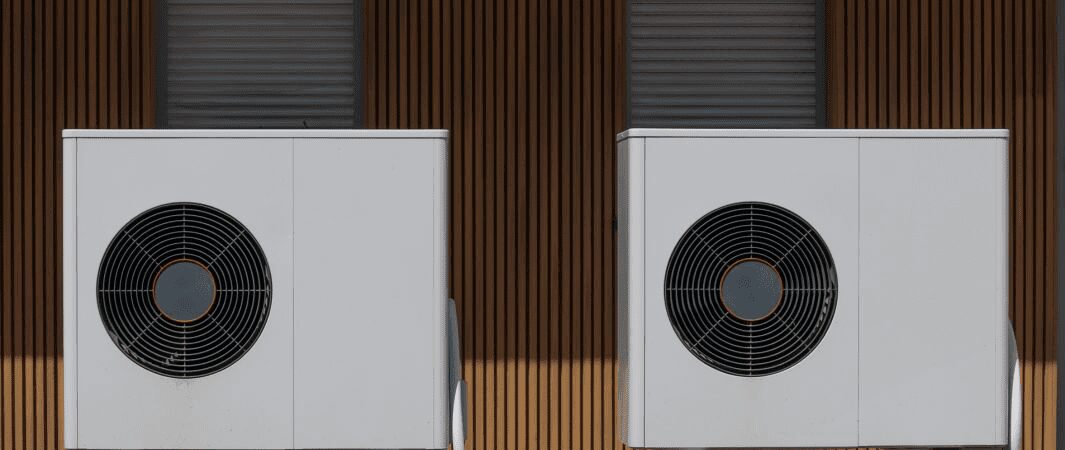
If you’re considering installing a heat pump in your home, you’re certainly not alone. Many property owners are looking for ways to invest in energy efficiency through new technologies, including heat pumps. An air-to-water heat pump is an energy-efficient heating source. It reduces your home’s carbon emissions, but it also brings many other benefits. Why consider an air-to-water heat pump?
Changing consumer behaviour is largely driven by government regulation. In our country, these changes are primarily driven by the European Union. The Climate Action Plan calls for a reduction of up to 55% in carbon emissions within Europe, that is, the countries that are part of the European Union, by 2030. Hundreds of thousands of households will thus have to be equipped with the necessary technology to achieve these regulations. It is estimated that almost 90% of these will involve the installation of a heat pump.
New buildings have to comply with stricter building regulations. These prioritise renewable energies and high-efficiency heating systems, including heat pumps.
What is an air-to-water heat pump?
A heat pump is an electrical device that takes heat from one place and transfers it to another place in an efficient and sustainable way. An air-to-water heat pump draws heat from the outside air and uses it to heat and heat water inside the home.
Radiators also work very well with this type of heat pump, but underfloor heating is a more efficient solution. The air-to-water heat pump range provides energy efficient heating, cooling and water heating to keep homes warm and comfortable all year round.
How does air-to-water heat pump technology work?
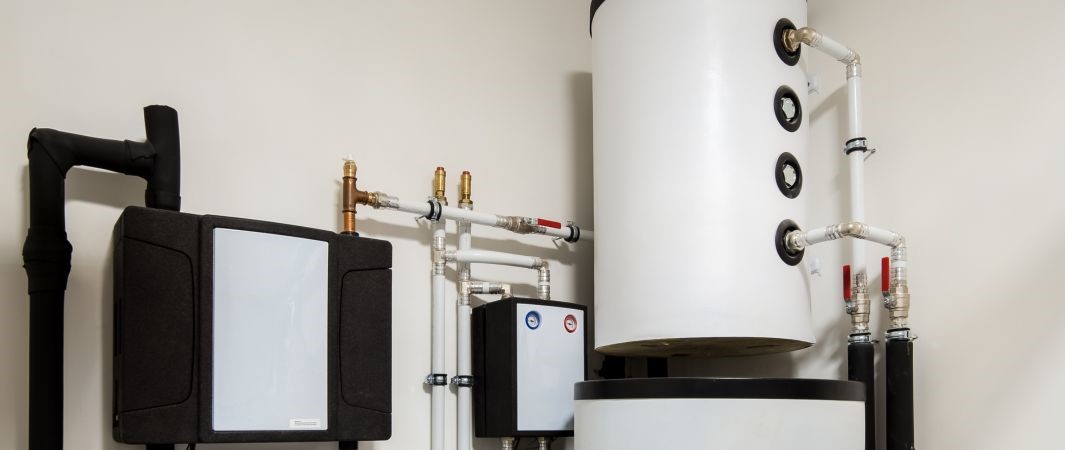
An air-to-water heat pump has three basic components: the outdoor unit, the indoor unit and the refrigerant. The sophisticated way in which an air-to-water heat pump works is easy to explain. Air is used as the heat source. The outdoor unit acts as an evaporator, taking energy from the outside air and absorbing it into the liquid refrigerant, where it is converted into gas. Even at very low temperatures down to minus 25 degrees Celsius. In the event of very low temperatures, the heat pump switches off and the heater in the buffer tank switches on. In this situation, the heat pump behaves like an electric boiler. When the above conditions are met in a combination of a heat pump and radiator or underfloor heating, the heat pump can reliably heat your rooms even on days when it is freezing cold in our latitudes. This seemingly paradoxical process is made possible by special refrigerants that evaporate at low temperatures. The boiling point of the natural refrigerant R290 (propane) is as low as minus 45 degrees Celsius and is also extremely climate-friendly.
The indoor unit compresses the gas, raising its temperature. This heat from the gas is transferred to the heating system, returning the gas to its original liquid state. The expansion valve reduces the refrigerant pressure, allowing it to evaporate and the cycle to start again.
Heat pumps are designed to be suitable for all climates, including mild, humid or variable weather.
What are the advantages of air-to-water heat pumps?
To understand how the benefits are technically described, we need to look at the “coefficient of performance” (COP) of the heat pump. This term describes the amount of energy used to operate the heat pump and the corresponding amount of energy produced by it.
Heat pumps should have a COP of at least 4.5, which means that for every 1kW of electricity consumed, 4.5kW of heat energy is produced, which means that 3.5kW of heat energy is generated “for free”.
Heat pumps are considerably more efficient than traditional boilers, requiring only a connection to the mains, with no additional fuel required. An air-to-water heat pump only needs outside air to operate.
When does the efficiency of an air-to-water heat pump decrease?
The efficiency of heat pumps can decrease, especially in winter periods. Then the system naturally needs more electricity to keep warm. A heat pump operates throughout the year depending on the climatic conditions, its performance and efficiency varies depending on the outside temperatures. However, it is possible to design the system to maximize savings and comfort during all seasons.
The heat pump works on the principle of extracting heat from the outside environment. Even if the outside temperature is low, modern heat pumps can operate efficiently at temperatures as low as -25 °C. In winter, air-to-water heat pumps may need to defrost the evaporator coil as condensation on the cold surface creates frost. Modern heat pumps are equipped with automatic defrost cycles to ensure continuous and efficient operation. Some heat pumps can serve as a cooling system in summer. This works by removing heat from the indoors instead of taking it from the outdoors and transferring it outdoors.
Conclusion
An air-to-water heat pump is an excellent solution for those looking for an efficient, eco-friendly and economical way to heat and cool their home. However, you need to think ahead and adapt the plumbing of the cooling system in the house. With benefits such as low running costs, use of renewable energy and reduced CO₂ emissions, it is becoming an increasingly popular solution for modern homes. Even in challenging conditions, it offers high efficiency, making it ideal for many clients. To get a quality air-to-water heat pump for your home, visit Slovklima.sk and choose from a wide range of proven products that meet the highest standards of quality and performance.