 info@slovklima.sk
Pre-preparation for air-conditioning before construction is completed

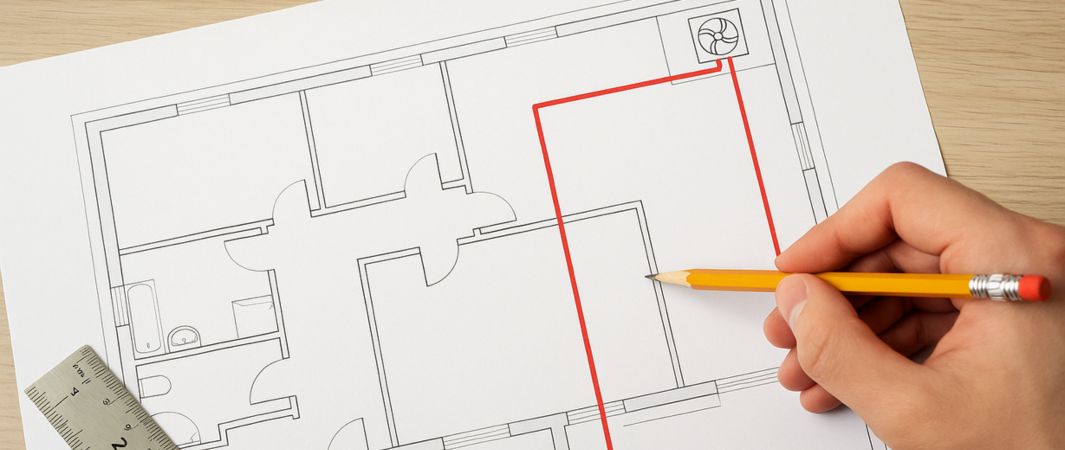
Preparing for air conditioning installation is a crucial step that will significantly impact the efficiency and comfort of the entire system. Timely planning and the right solutions will ensure a smooth installation process and optimal performance of the air conditioning system.
Ensuring proper preparation for the air conditioning system during construction is the best way to appropriately plan the placement of units, design the ductwork, and minimize future modification costs. In this article, we’ll look at important technical aspects and practical tips that will help you achieve optimal results and trouble-free operation of your air conditioning system.
What does the preliminary preparation for air conditioning involve?
Preparation for air conditioning involves setting up refrigerant lines, electrical wiring, communication cables, condensate drainage, and suitable locations for both the indoor and outdoor units. Ideally, these elements should be addressed during the structural phase of construction or during a major renovation, when walls, ceilings, and utility routes are easily accessible.
Such preparation will allow the air conditioning system to be installed later without unnecessary disruption to the finished interior.
Basic Technical Considerations for Preparing for Air Conditioning Installation
Even during the structural phase of construction, it is important to consider the proper placement of both the outdoor and indoor air conditioning units. Indoor units should be planned to ensure even air distribution throughout living spaces without creating drafts. Outdoor units should be placed in locations with good air circulation and easy access for maintenance.
When routing refrigerant lines and electrical wiring, it is necessary to ensure appropriate paths that allow for easy installation and future maintenance. Preparation also includes drilling the necessary holes in the walls and preparing grooves for the piping, which will significantly simplify and speed up the actual installation of the air conditioning system.
Good planning at this stage also involves selecting the appropriate capacity for the air conditioning system based on the size and type of rooms, in order to achieve optimal cooling and heating without unnecessary energy loss.
Technical Principles for Air Conditioning Distribution Systems in Home Construction
Proper planning of air conditioning ductwork during construction significantly simplifies both the installation itself and future maintenance of the system. When selecting materials, it is best to choose certified-quality pipes and cables that guarantee a long service life and resistance to weather conditions and mechanical damage.
Wiring should be routed so that it is as discreet as possible—inside walls or under ceilings—while still being accessible for any necessary service or repairs. Proper placement of distribution panels and access panels simplifies technicians’ work and reduces the time required for service calls.
Don’t forget to plan for electrical connections and the option to use modern smart solutions that allow for remote control of the air conditioning. Already during the preliminary planning phase, you need to ensure appropriate cable routing and sufficient capacity for these technologies.
This comprehensive approach to air conditioning distribution saves both time and money, while also increasing the comfort and reliability of the entire system.
Strategic Placement of Air Conditioning Units for Maximum Comfort
The placement of both indoor and outdoor air conditioning units significantly affects the system’s efficiency and the comfort of the occupants. Indoor units should be installed in locations that allow for even distribution of cooled or heated air throughout the room, without blowing directly on people.
It is recommended to install outdoor units in a shaded and well-ventilated location to ensure optimal operation and extend their service life. When planning, it is also important to minimize noise that could disturb residents or neighbors.
Proper placement of the units reduces the system’s energy consumption and ensures more efficient and quieter operation.

Insulation and Protection of Ductwork During Construction
When preparing for the installation of an air conditioning system, it is very important to ensure proper insulation and protection of the piping during the actual construction of the house. Piping that carries refrigerant and electrical cables must be properly protected against mechanical damage. They must also be protected from temperature fluctuations, which can negatively affect their functionality.
Inappropriate or insufficient insulation can lead to heat loss, moisture condensation, and, as a result, potential mold problems or damage to plaster and walls. Therefore, it is essential to use high-quality insulation materials directly during the installation of air conditioning ducts, ideally in accordance with the recommendations of experts and equipment manufacturers.
In addition, it is important to ensure that pipes and cables are not exposed to impacts, dust, or chemicals during construction work. Therefore, it is advisable to cover them with protective covers or place them in utility shafts, which will protect the entire installation and also facilitate any future repairs or maintenance.
Thorough insulation and protection of pipes and cables during the construction phase is therefore one of the key steps that will ensure trouble-free operation of your air conditioning system with maximum efficiency and a long service life. This preparation will also help you avoid additional costs and complications that may arise from repairing damaged distribution systems.
The Importance of Collaborating with Experts During the Preliminary Planning Phase for Air Conditioning
Successful preparation for an air conditioning system requires thorough planning and technical knowledge to ensure that the system operates reliably and efficiently. Consulting with experts and experienced designers helps prevent design errors and ensures the proper placement of all system components.
Experienced technicians can also recommend suitable materials and technologies tailored to a specific construction project. This results in higher efficiency and lower energy consumption. In addition, addressing technical details during construction simplifies final installation and reduces the risk of additional costs for modifications or repairs.
Investing in high-quality preparation in collaboration with professionals therefore always pays off. It ensures a smooth installation process, reliable system operation, and a longer service life for your air conditioning system.
Conclusion: Preparing for Air Conditioning Installation
Planning for air conditioning during the construction of a house or building is an essential step toward achieving an efficient, reliable, and energy-efficient system. Early planning, proper technical solutions, and collaboration with experts will significantly simplify the installation process and ensure long-term comfort.
Keep in mind that investing in high-quality preparation means fewer problems in the future, lower service and maintenance costs, and greater satisfaction with your air conditioning system. For professional advice and high-quality products, visit Slovklima.sk.

FAQ
Preparing for air conditioning involves setting up the ductwork, penetrations, electrical wiring, and condensate drainage before the construction or renovation is completed.
It’s best to do this during the rough-in phase or during a major renovation, when the walls, ceilings, and utility lines are easily accessible.
You’ll avoid additional cutting, visible trim strips, a more complicated installation, and unnecessary alterations to the finished interior.
It is important to have cooling lines, a power supply, a communication cable, a condensate drain, and a suitable location for both the indoor and outdoor units.
No. Preparing the space in advance will allow you to install the air conditioning later, once construction is complete or if you decide to add the system at a later date.
Proper design will affect performance, noise levels, interior aesthetics, condensate drainage, and trouble-free installation of the air conditioning system in the future.