 info@slovklima.sk
How to Heat Your Home Efficiently? Tips for Reducing Costs and Energy Consumption

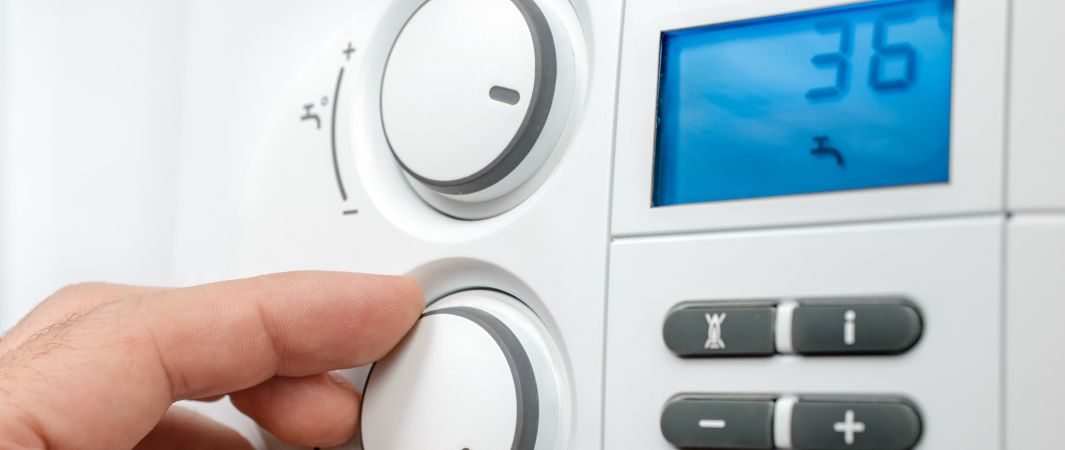
Want to know how to heat your home efficiently while reducing your energy costs? Properly setting up your heating system is the key to enjoying a comfortable and pleasant living environment that also saves you money. With a few simple steps and the right choice of equipment, you can achieve significant energy savings without compromising on comfort.
Heating accounts for a significant portion of monthly energy bills in many households. However, we often pay more than is really necessary because we don’t take advantage of all the available options that could help optimize our energy consumption and heating settings.
In this article, we’ll show you how to heat your home effectively —from choosing the right heat source, to setting the temperature in individual rooms, to practical tips that will help you reduce costs without sacrificing comfort. These tips are suitable for anyone who wants to maintain a comfortable temperature at home without wasting energy unnecessarily.
Choosing the Right Heat Source
Choosing the right heat source is the first and most important step toward efficient and cost-effective heating. There are many options on the market that differ not only in fuel type but also in efficiency, operating costs, and maintenance requirements.
Gas boilers remain one of the most common solutions, especially in areas with good access to natural gas. They offer relatively low operating costs and are fairly easy to operate, but their operation is not always the most environmentally friendly.
Electric boilers are often used in places where natural gas is not available. Their advantages include easy installation and minimal maintenance requirements; however, they tend to be more expensive to operate, especially when consumption is high.
Heat pumps are becoming increasingly popular thanks to their high efficiency and environmental friendliness. Inverter heat pumps can not only heat but also cool, making them multifunctional devices suitable for year-round use. Furthermore, their operation can significantly reduce energy costs, especially when the system is properly configured and the home is well-insulated.
Solid-fuel boilers are an alternative for households that have access to inexpensive fuel such as wood or coal. However, they require regular maintenance and operation and may produce higher emissions if they are not properly adjusted and maintained.
When making a selection, it is important to consider not only economic factors but also climatic conditions, the size and condition of the building, and the availability of fuels. Integrating modern equipment with smart control systems can significantly improve overall efficiency.
Precise Temperature Setting and Control
Efficient heating depends not only on the equipment itself, but also on how well you can regulate the temperature in your home. Using thermostatic heads allows you to precisely set the temperature in each room individually, which eliminates energy waste in unused spaces.
In addition, modern smart thermostats and control systems allow the temperature to be automatically adjusted based on the daily schedule, the presence of people, or current weather conditions. This enhances living comfort and significantly reduces energy costs by ensuring that the heating is turned on only where and when it is needed.
Temperature control, combined with good insulation and regular maintenance, can reduce heating costs by as much as tens of percent. In addition, modern systems allow for remote access, so you can control your heating from work or while on vacation.

Insulation and Thermal Insulation: A Necessity
Investing in high-quality insulation and thermal retrofitting for your home is one of the most effective ways to reduce energy consumption. Proper insulation of walls, roofs, and floors prevents heat loss and maintains a stable indoor temperature.
Equally important is proper sealing of windows and doors, which are often a source of significant heat loss. Even small gaps can increase heating costs and reduce comfort.
High-quality insulation not only saves money but also improves living comfort—it reduces drafts and uneven temperatures throughout the home.
Use of Renewable Energy Sources and Smart Technologies
Nowadays, renewable energy sources such as solar collectors, heat pumps, and biomass heating are becoming increasingly popular. These solutions help protect the environment while also reducing operating costs.
Smart control systems are the next step toward energy-efficient and comfortable living. Thanks to their connection to the internet and smart homes, you can control your heating from your cell phone, set automatic schedules, or respond to changing outdoor conditions.
These technologies ensure that your heating system is as efficient, economical, and comfortable as possible.
Regular Maintenance and Care
Regular maintenance of your heating system is equally important. Clean filters, properly adjusted thermostats, and regular servicing ensure that your equipment operates efficiently and without unnecessary breakdowns.
Neglecting maintenance can lead to increased energy consumption, malfunctions, and costly repairs. However, a system in good condition operates reliably, saves money, and extends its lifespan.
Common Heating Mistakes That Increase Costs
Many people often make unintentional mistakes when heating their homes, which lead to higher energy consumption. For example, setting the temperature too high in rooms that are rarely used, or, conversely, turning off the heat completely for extended periods, which causes the system to use more energy later to heat the rooms again.
Another common problem is improper or inefficient ventilation—for example, leaving windows slightly open while the heat is on, which leads to significant heat loss. It also happens that people do not take advantage of zone heating and heat the entire house equally intensely, even though some rooms are not in use.
Incorrect thermostat settings, as well as placing them near heat sources or in areas with poor air circulation, often lead to inaccurate temperature readings and, consequently, inefficient heating.
Avoiding these mistakes can significantly reduce heating costs while improving comfort at home.
Conclusion: How to Heat Effectively
Efficient heating is the result of choosing the right equipment, setting it up properly, using high-quality insulation, and performing regular maintenance. If you want to learn how to heat your home efficiently, these steps will help you enjoy comfort, reduce energy costs, and contribute to protecting the environment at the same time.
For reliable and efficient heating, visit Slovklima.sk to find a wide selection of high-quality products and expert support to help you choose a solution tailored precisely to your needs.

FAQ
It is important to set the temperature appropriately, ventilate regularly for short periods of time but thoroughly, keep radiators clear, and maintain the heating system in good condition.
In living areas, a temperature of approximately 20 to 22 °C is generally recommended; in the bedroom, the temperature can be slightly lower.
Lowering the temperature by a few degrees, proper regulation, equipment maintenance, insulation, replacing an old heat source, and reducing heat loss can all help.
A well-maintained system operates more efficiently, consumes less energy, and has a lower risk of malfunctions during the heating season.
The control system allows you to adjust the temperature to your household’s actual needs. As a result, the system does not heat unnecessarily in areas where it is not needed.
A heat pump may be a good option when upgrading your heating system, especially if you want to reduce energy consumption and use a more energy-efficient heat source.