 info@slovklima.sk
How to choose a compressor: our advice and tips

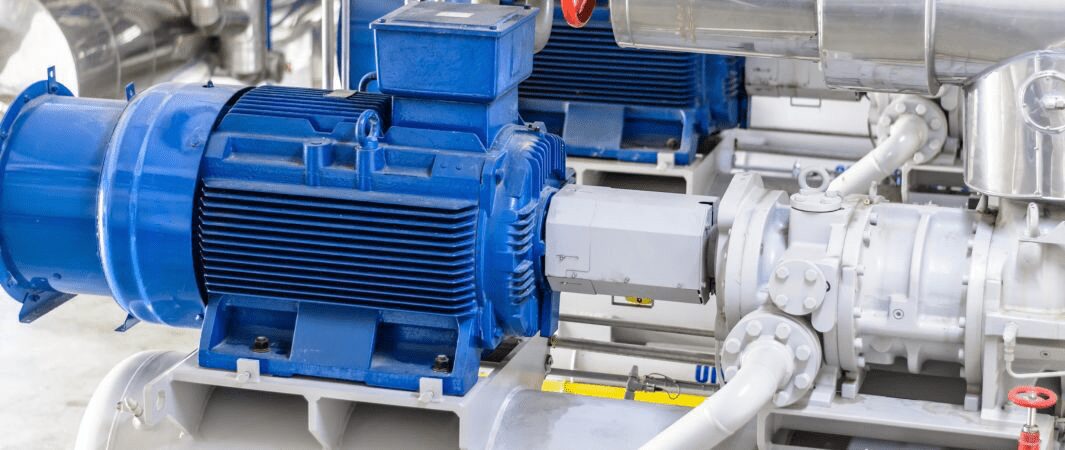
A few years ago, for example, you would only find scroll compressors in specialty applications, including hospitals, vacuum pumps, and automotive compressors. But today, they’re much more common. The question remains, however, how to choose a compressor to meet your exact requirements.
Choosing the right compressor for a refrigeration application is crucial for the optimal operation of the entire refrigeration system. The compressor is the heart of any refrigeration system, so its selection affects the efficiency, operating costs and reliability of the equipment. When deciding on the type of compressor, there are several technical and economic factors to consider that determine the performance of the system and its long-term operation.
How to choose a compressor – Compressor type
One of the first parameters to choose a compressor is its type . There are several different types of compressors, each with their own advantages and disadvantages depending on the application.
The reciprocating compressor is most commonly used in smaller refrigeration applications. It is affordable and easy to maintain, but its efficiency can be lower compared to other types of compressors.
Scroll compressors are characterized by higher efficiency and less wear. They are popular in medium and larger systems where higher performance and reliability are required.
The screw compressor is suitable for large refrigeration applications where high performance and long-term reliability are required. The screw compressor is also efficient in continuous operation.
The centrifugal compressor is mainly used in industrial and commercial applications where very high power and capacity is required. It is suitable for applications with large cooling capacity requirements.
The process of how to select a compressor is alchemy. It depends on the requirements of the application, the space available, the performance and the cost of operation.
How to choose a compressor – Refrigerant
The type of refrigerant that the system will use is also a key factor when selecting a compressor. Each compressor is designed for a specific refrigerant and not all compressors are compatible with every type of refrigerant. Today, refrigerants such as R134a, R404A, R449A or CO₂ are the most commonly used. Some compressors are designed to operate efficiently at low temperature or with refrigerants with low global warming potential (GWP).
For newer and more environmentally friendly refrigerants such as CO₂, it is essential to select a compressor that is optimized for these refrigerants because their physical properties differ from traditional refrigerants, which can affect compressor performance.
How to choose a compressor – Compressor capacity
The capacity of the compressor is one of the most important parameters that determines the performance of the cooling system. Compressor capacity is expressed in kilowatts (kW) and depends on the requirements of the specific application. Whether it is for food storage, air conditioning systems or industrial refrigeration, it is essential to select a compressor that has sufficient capacity to cover the refrigeration needs.
When selecting capacity, it is also important to consider factors such as temperature range and frequency of system load. Systems that frequently switch between different temperature regimes may require a compressor with more flexible parameters.

How to choose a compressor – Efficiency and energy consumption
Compressor efficiency is a key factor that affects operating costs. Compressors that are energy inefficient can cause high energy costs. This is particularly important in cases where the system is operated continuously or over long hours.
Important energy efficiency indicators are COP (Coefficient of Performance) and EER (Energy Efficiency Ratio). These parameters will help you determine how energy intensive the compressor will be in the long run.
How to select a compressor – Operating temperature range
Each compressor has a specific temperature range in which it is able to operate efficiently. When selecting a compressor, it is essential to consider the temperature range of your application. Compressors can be designed to operate over a wide temperature spectrum – from very low freezing temperatures to temperatures suitable for refrigeration.
For applications such as frozen food storage, compressors capable of reaching very low temperatures are needed, while for beverage refrigeration or air conditioning the temperature requirements are different.
How to choose a compressor – Maintenance and compressor lifetime
Compressor reliability and durability are very important factors that affect maintenance and repair costs. The compressor should be designed to last in operation for an extended period of time without the need for frequent repairs.
Ease of maintenance is also important, as regular maintenance can extend the life of the equipment and reduce the risk of breakdowns. It is important to consider the availability of spare parts and the quality of customer service.
Noise and vibration
In some applications, particularly in residential or commercial spaces, noise and vibration generated by the compressor can be a significant problem. When selecting a compressor, it is important to consider the noise and vibration characteristics of the equipment, especially if the system is located near sensitive areas.
Regulation and management
Modern compressors are often equipped with electronic controls that allow precise power control and reduce energy consumption. The electronic control allows the compressor output to be adapted to the actual conditions in the refrigeration system, thus ensuring optimum operation.
Conclusion
Choosing the right compressor can have a major impact on the efficiency and longevity of your equipment. Remember that a quality compressor is an investment in long, trouble-free operation. If you’ve decided to make a purchase, visit Slovklima where you’ll find a wide selection of compressors at great prices.