 info@slovklima.sk
Controls for Cooling Systems: How to Ensure Precise Temperature Control?

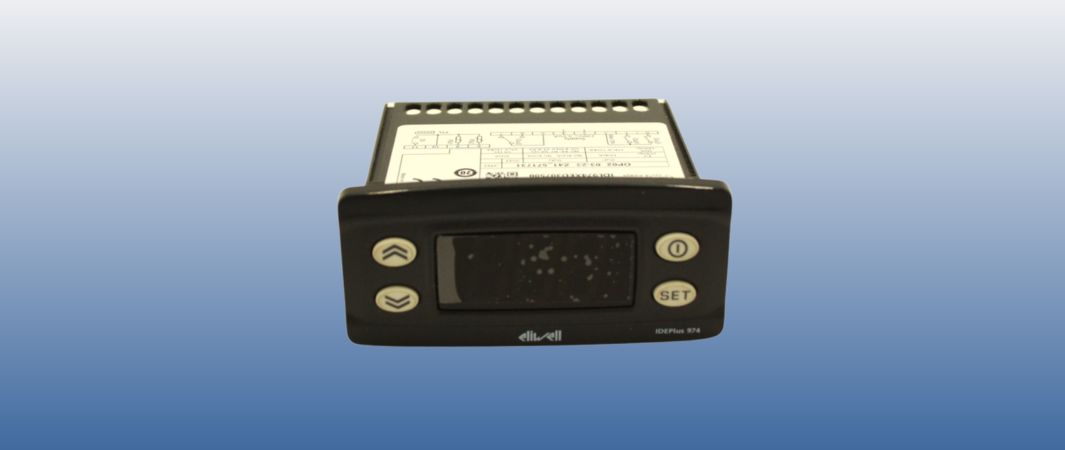
Precise temperature control is essential for the proper and reliable operation of cooling systems. Controllers play an indispensable role in this process—they help maintain stable conditions, protect equipment from damage, and enable energy savings.
Anyone who works with refrigeration equipment should have a good understanding of how it works and what it can do. In this article, we’ll explain the different types of controllers available and why it’s so important to set them up correctly.
The Mechanism of Regulators in Refrigeration Systems
The controllers are designed to continuously monitor the temperature and adjust the system’s operating parameters based on the measured values. Specifically, this means that they respond to changes in the environment and automatically control the operation of compressors, fans, or expansion valves to ensure that the set temperature is maintained in a stable and precise manner.
This reduces temperature fluctuations, which in turn extends the service life of the equipment and optimizes energy consumption. In addition, controllers are capable of detecting and preventing hazardous conditions that could lead to system damage or failure, such as extreme pressures or overheating.
Today’s digital controller models often allow remote access for monitoring and diagnostics, making management and maintenance easier even in large or complex systems.
The Variety of Controller Types
Cooling systems use a wide range of controllers that differ in their control methods, accuracy, and customization options:
Thermostatic controllers are a basic solution that maintains a set temperature by simply turning the cooling or heating on and off. They are primarily used in smaller or less demanding systems where reliability and ease of use are a priority.
Digital programmable controllers offer users a wide range of configuration options, including schedules, precise temperature ranges, and other parameters. They are the preferred choice in commercial and industrial applications where precise adjustment of system operation is required.
PID controllers operate based on complex control algorithms (proportional-integral-derivative) that ensure high stability and precision in temperature control with minimal deviations. This is the ideal solution for demanding applications where subtle temperature differences are critical.
Remote-access controllers are becoming increasingly popular, as they allow users to manage and monitor cooling systems remotely, often through mobile apps or integration with smart home systems and control platforms.
Benefits of Optimally Calibrated Controllers
When controllers are properly configured and used, they offer numerous benefits that significantly impact the operation and efficiency of cooling systems:
They reduce unnecessary energy costs by optimizing component operation and minimizing excess energy consumption.
They extend the service life of equipment by minimizing excessive wear and tear and reduce the frequency of malfunctions.
They ensure stable temperature control, which is crucial for the quality of stored products and comfort in air-conditioned spaces.
They facilitate maintenance and diagnostics thanks to advanced monitoring features and intuitive controls.
They allow for flexible adjustment of operating parameters according to current needs or seasonal changes.
This approach to control ensures trouble-free and economical operation, which is the foundation of any efficient refrigeration system.
Selection of Controllers on Slovklima.sk
Slovklima offers a wide range of controllers designed to meet the diverse needs of cooling systems—from simple devices to highly sophisticated control units:
Danfoss controllers —reliable devices for small to medium-sized refrigeration systems, featuring easy operation and a robust design.
Dixell controllers – flexible and programmable units with extensive options for setting temperature, humidity, and other parameters.
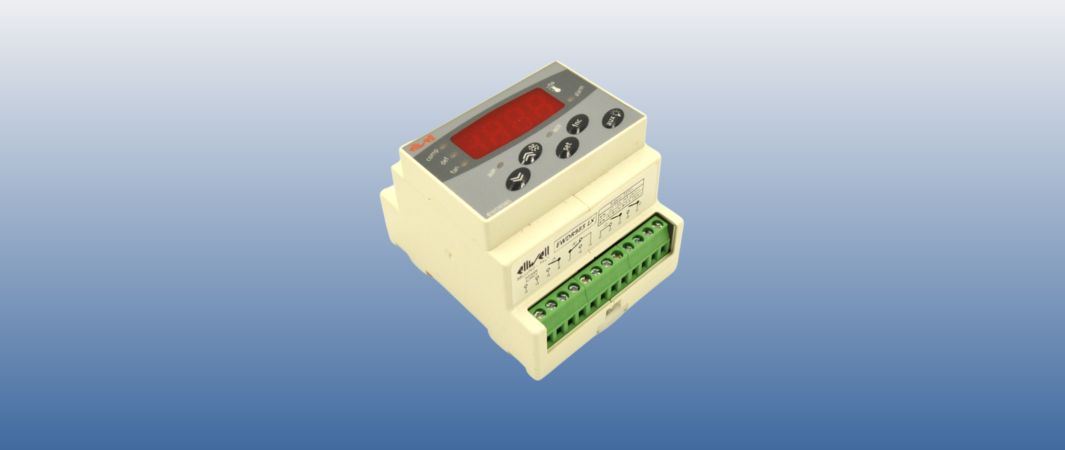
Eliwell EWDR – a digital controller that allows for detailed adjustment and control of cooling cycles, ideal for professional applications.
Eliwell ID Plus – a modern model with intuitive controls and reliable temperature control across a wide range of applications.
Eliwell IDE Plus – an enhanced version with advanced features for more demanding environments.
Eliwell speed controller – specifically designed for controlling the speed of fans and compressors, which helps save energy and extend the service life of the equipment.
You can find detailed descriptions of all these products on Slovklima.sk.
Conclusion: Regulators
Precise control is an integral part of the reliable operation of cooling systems. A properly selected and calibrated controller not only ensures optimal temperature but also promotes efficient energy use and protects equipment from damage.
At Slovklima.sk, you’ll find a wide selection of controllers that meet the highest technical standards and cater to a variety of needs—whether for simpler systems or complex industrial applications.
Choosing the right control device, combined with professional setup and regular maintenance, is the key to long-term, trouble-free operation of your refrigeration systems.
FAQ
It continuously monitors the temperature and, based on the measured values, adjusts the system’s operation to maintain the set temperature as accurately as possible.
It controls the operation of the compressor, fans, or expansion valves as needed to reduce temperature fluctuations and stabilize operation.
A thermostatic thermostat is a simple solution with basic on/off control. A digital programmable thermostat allows for more precise temperature ranges, schedules, and more detailed parameter settings.
This is when high stability and precise control with minimal deviations and temperature fluctuations are essential.
It will enable remote monitoring and diagnostics, making supervision and maintenance easier even for larger or more complex systems.
It reduces unnecessary energy consumption, extends the service life of equipment, and helps prevent hazardous conditions that could lead to malfunctions.
