 info@slovklima.sk
Air conditioning and copper piping: what you need to know

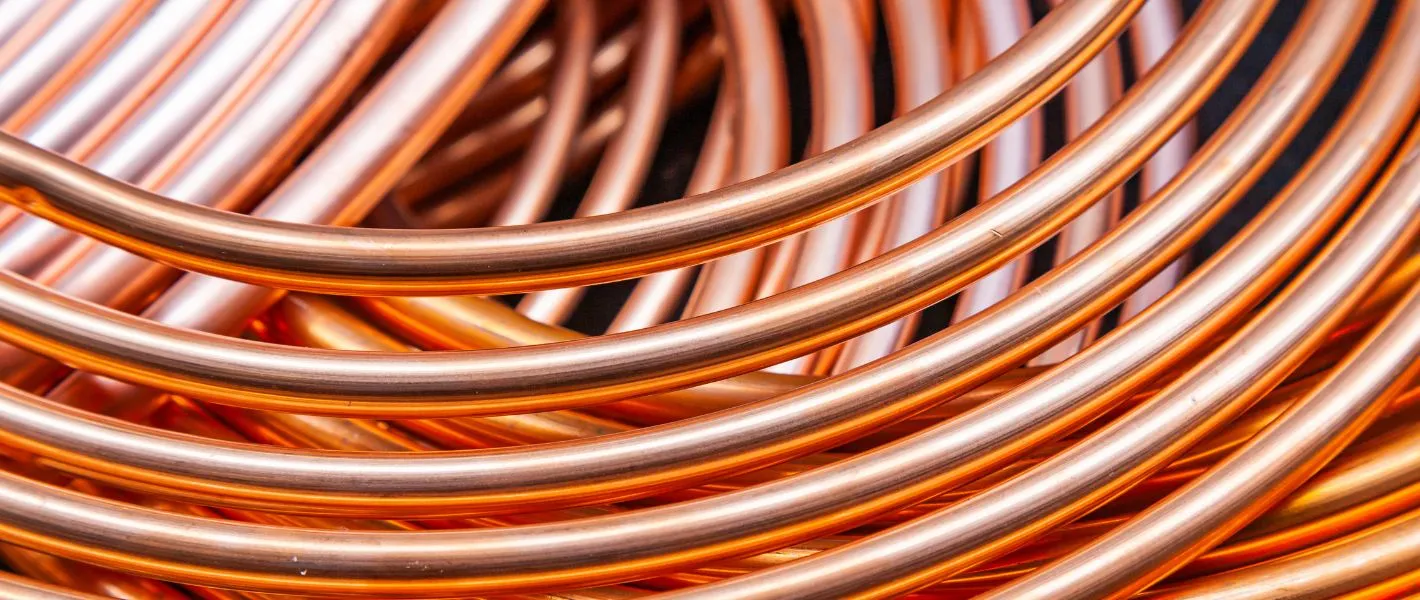
Air conditioning systems are increasingly an essential part of every home. They provide better air quality, prevent mould growth, save energy and have many other benefits. Of course, it primarily depends on the specific type you choose. They are extremely used and useful during the hot summer months and help keep our homes comfortably cool. However, air conditioning can do much more than just cool a room when it’s hot.
The working principle of air conditioning is basically simple. It removes heat from the air and releases it outside. Most systems have three main parts, a compressor, a fan and refrigerant-filled pipes. Refrigerant is a chemical that changes from a gas to a liquid and back again as heat is removed from the air. The compressor pumps the refrigerant through the system. The fan then blows air through the coils that contain the refrigerant. As the air passes through the coils, heat is removed and exported to the outside air. The cooled air is then distributed throughout the room. When the outside temperature drops, the process reverses and warm air enters your home. Air conditioners work hard to keep you cool in the summer, but they also help control indoor humidity levels, which can make your home feel more comfortable all year round.
Air conditioners generally improve air quality by removing dust, pollen and other unwanted particles from the air. They are equipped with a filtration system that helps keep the air free of allergens. When an air conditioner naturally has these properties, does it matter what components are used in it?
Why is copper piping ideal for air conditioning?
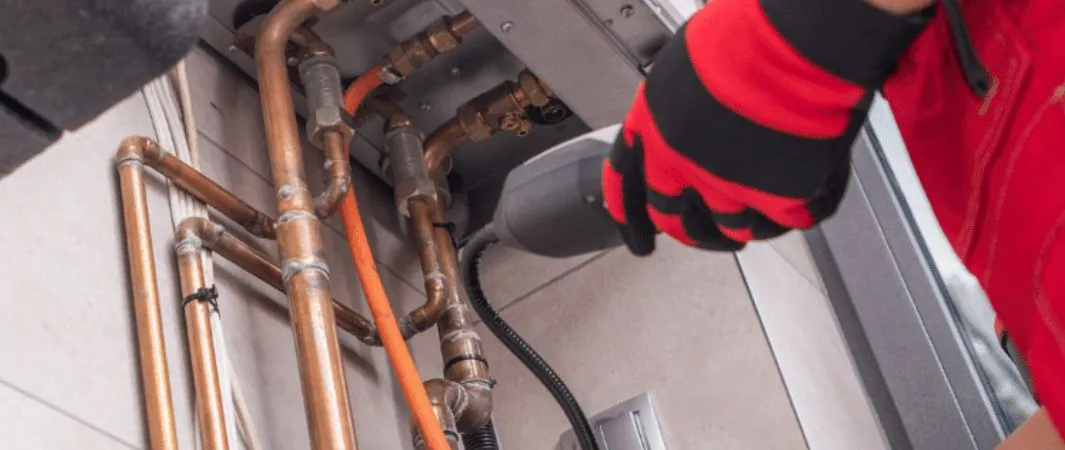
Air conditioning is a marvel of modern technology that brings comfort to homes, offices and various institutions. As we have already mentioned, inside every air conditioner there is a complex system of components that work in harmony. One of the key elements that contribute to the efficiency of air conditioning systems is the use of copper pipes.
Copper is an excellent conductor of heat. The ability to quickly absorb and transfer heat is critical in both evaporator and condenser coil air conditioning systems. The efficiency of heat transfer directly affects the overall performance of the system. The high thermal conductivity of copper ensures that the refrigerant absorbs and releases heat efficiently, allowing fast and effective temperature control. Among other things, copper pipes are renowned for their durability and corrosion resistance. The long service life of copper pipes reduces the likelihood of leaks or breakdowns, contributing to the overall reliability of the system.
Copper pipes are compatible with a wide range of refrigerants commonly used in air conditioning systems. This flexibility is key as different systems may require different refrigerants based on factors such as environmental regulations and energy efficiency standards. Copper’s compatibility ensures that it can be seamlessly integrated into a variety of air conditioners, making it a versatile choice for manufacturers and technicians.
Copper pipes are ductile and easy to work with, which allows for easy installation. In addition, their easy maintenance is an important advantage. These pipes also contribute to the energy efficiency of air conditioning systems. Their smooth inner surface minimizes friction and allows for a smooth flow of refrigerant. Improved efficiency not only benefits the environment by reducing energy consumption, but also translates into lower operating costs for the end user.
Types of copper pipes used in air conditioners
Copper pipelines are commonly used for the supply and transport of liquids and gaseous substances. Depending on these needs, other materials simply cannot compete with copper. The substance undergoes phases of evaporation, condensation in which energy is absorbed and released.
It is important to distinguish between annealed and unprotected elements. Annealed ducts for air conditioning are characterised by higher technical characteristics. They are able to withstand considerable pressure without deformation. The second type of copper pipes for air conditioning are supplied with rods and have a strength of 280-300 thousand kPa, the elongation in tension is generally between 10 and 15 per cent. The required diameter is selected based on the capacity of the equipment. In this case, the rule of thumb is that the larger the equipment, the higher the refrigerant level. When buying copper pipes for air conditioning systems, it is important to pay attention to the presence of plastic plugs at their ends, as they prevent excessive moisture, litter, dust and pollution.
The main attribute when selecting copper pipes for air conditioning is their diameters. A well-defined cross-section will significantly reduce the pressure losses in the units that cool the air. Copper structures have diameters of 0.6 to 26.7 centimetres. In air-conditioning technology, elements of 19.05; 6.35; 12.7; 9.52 and 15.88 millimetres are typically used. The size and diameter of the appropriate pipe is determined by the design features of the climatic equipment, the nozzles and fittings of which only need products of certain dimensions and wall thickness. Air conditioners are often designed for a cross-section of 6 to 16 millimetres.
The importance of proper installation of copper piping

Copper is not a very reactive material by nature. This is an incredible advantage for pipes that need to carry refrigerant for years. Copper ranks among metals like gold and platinum that have very low reactivity. One of the many reasons copper is used in air conditioners is because it is resistant to mold and mildew, which can cause unpleasant odors in air conditioners. The ductwork of an air conditioner plays a huge role in its lifespan. It unites all the components into one system, allowing for proper cooling. Generally, the ductwork lasts for many years.
Piping is not an element of air conditioning that tends to wear out and break so quickly. It can be expected to last some 10 to 15 years. Quality installation is the first step to long-lasting air conditioning ductwork. The technician must use high-quality materials to prevent premature wear and tear. If he performs the installation the wrong way, expect problems in the near future. Improper setup can end in gas leaks, premature corrosion, and water damage. Therefore, it is a safe bet to sacrifice some extra money and hire a professional technician.
Insulation also has an impact on how long an air conditioning duct lasts. Poor insulation leads to increased condensation. As a result, the risk of water leakage and damage to the walls also increases.
What affects the service life of copper piping?
Copper piping does not require frequent replacement if it has quality installation and maintenance. As we have already mentioned, it normally lasts around ten to fifteen years. However, cheap materials, poor installation and improper maintenance lead to more failures and faster wear and tear. Since it is not the absolute lowest investment, it is important to consult a professional and evaluate the pros and cons of a particular type of air conditioning andcopper ductwork.
Air conditioning and copper piping Conclusion
When it comes to air conditioning , copper pipes stand out as a reliable and efficient choice. From their exceptional heat transfer capabilities to their durability and maintenance, they play a key role in the optimal functioning of air conditioning systems. If you’re not dealing with air conditioning on a professional level, leave everything to the experts at Slovklim instead. They will advise you on selection and installation andensure that the equipment will work for years to come.