 info@slovklima.sk
Copper fittings: different types of copper fittings and their use in installations

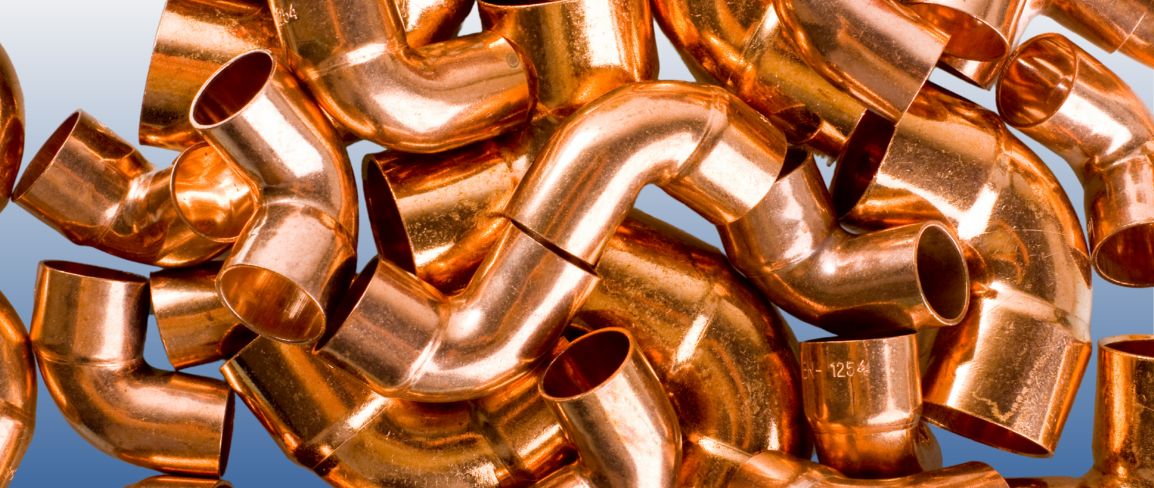
Are you planning to renovate your cooling system or install new cooling equipment? Did you know that copper fittings can make the difference between a reliable system and one riddled with unnecessary leaks?
Using the wrong type of fitting can lead to leaks, damage, and unnecessary expenses. Conversely, properly selected copper fittings will ensure the long-term functionality and efficiency of the entire plumbing system.
We’ll introduce the most commonly used types of fittings, from soldered and compression fittings to modern press fittings. You’ll learn when and where to use them and how to choose the right ones to avoid complications. Let’s take a look at how to get the most out of copper fittings in your plumbing system.
Types of Copper Fittings and Their Practical Applications
Choosing the right copper fitting is crucial for safe and efficient refrigerant distribution. Copper fittings come in various designs, each with its own specific application. Compression fittings are ideal where easy disassembly or adjustment is required; the seal is achieved by mechanical compression using a nut and a ring. End-connection fittings, also known as capillary fittings, require soldering and provide a strong, durable connection. If you’re looking for a simple and quick solution, solder ring fittings with pre-applied solder make installation easier. For an even faster installation, push-fit fittings are ideal—they require no tools; simply insert the pipe. In contrast, press fittings offer a robust solution for long-term use in both residential and commercial buildings. Using a special press tool, they create a strong and leak-proof connection. Choosing the right type of fitting therefore depends on the application, the required reliability, and the complexity of the installation.
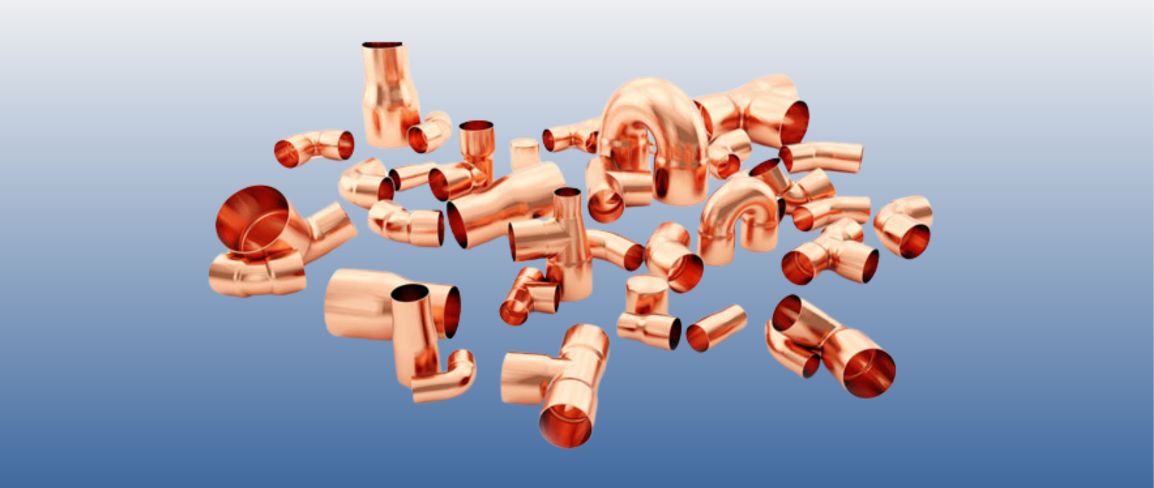
Overview of Different Types of Copper Fittings
Each type of copper fitting has its own specific properties that determine its suitability for various projects.
Compression Fittings
These fittings are ideal for quick and temporary installations, especially where it is not possible or safe to use heat. Their main advantage is easy installation without the need for special tools. They allow for repeated disassembly and adjustment, which increases their flexibility during maintenance. However, a disadvantage may be lower pressure resistance and a higher risk of leaks if not tightened properly.
End-Connection Fittings
A classic choice for strong, permanent connections, where the pipe must be inserted into the fitting and then joined using solder. This type of fitting is cost-effective and ensures highly leak-tight joints. However, soldering requires a certain level of skill, time, and caution when working with a torch.
Soldering ring fittings
They simplify traditional soldering by coming with pre-applied solder. This reduces the number of installation steps and ensures consistent joint quality. They are particularly suitable for less experienced users or for large-scale installations. Their disadvantages include a higher price and limited ability to make adjustments after the joint is formed.
Copper push-fit fittings
This type allows for extremely fast and easy installation without the need for tools or heat. The pipe is simply pushed into the fitting, where it is held in place by steel teeth and sealed by an O-ring. They are suitable for both temporary and permanent applications, but they are more expensive and less suitable for extreme conditions involving high temperatures or vibrations.
Copper Press Fittings
A modern solution that uses a special crimping tool to create a strong and tight connection. They allow for quick, clean, and safe installation without an open flame, which is particularly advantageous in occupied or hazardous areas. Although they are very reliable, they require expensive tools and training, which can be a drawback for smaller projects. However, the tools can be rented from specialized rental shops.
Selecting the Right Copper Fittings
Selecting the right fittings for copper pipe installation is crucial for creating a reliable, leak-free, and durable cooling system. When deciding on the most suitable fittings, several factors must be considered.
First and foremost, the type and size of the fittings must precisely match the piping used. Even small deviations can cause leaks or weak connections. The requirements of the specific application must also be taken into account; for example, if the system is located in an environment with higher pressure or temperature, it is essential to use more robust and durable fittings.
It is also important to consider whether the connections will be permanent or whether they may need to be disassembled or modified in the future; in such cases, compression or push-fit fittings are preferable. Conversely, soldered and crimped fittings provide high strength, but they cannot be manipulated later on.
For installations in more demanding environments—such as corrosive areas or confined spaces—corrosion resistance or the ability to install without an open flame may also be a decisive factor.
Another equally important aspect is the skill of the person performing the installation. Some fittings require professional tools and experience, while others allow for quick and easy installation even by DIY enthusiasts.
By considering all these factors when selecting the right fittings, you will significantly increase the reliability and service life of the entire plumbing system.
Always follow the manufacturer’s guidelines for the installed equipment! Failure to do so makes it virtually impossible to claim warranty repairs.
Maintenance of Copper Fittings
Although copper fittings are among the most durable and reliable components of cooling systems, this does not mean they are completely maintenance-free. Regular visual inspections are key to maintaining their functionality and preventing more serious malfunctions.
Focus on the areas where fittings connect to the piping; that’s where the first signs of wear most often appear. Warning signs include a change in surface color and the formation of green or white deposits (a typical sign of oxidation).
If you notice any damage or corrosion, do not hesitate to replace the affected fitting. Even minor damage can lead to a serious refrigerant leak over time and subsequently cause the entire cooling system to fail.
Conclusion
Copper fittings are a time-tested solution for high-quality and reliable cooling system installations. Thanks to their high durability, long service life, and versatility, they are the ideal choice for a wide range of projects, from new construction to renovations.
If you are familiar with the different types of fittings, their proper use, sizing, and maintenance principles, you’ll be able to choose exactly the right components to ensure your system runs smoothly for decades to come.
Whether you’re an experienced professional or a skilled DIY enthusiast, choosing the right equipment is the key to success. Visit Slovklima.sk and choose from our wide selection of high-quality copper fittings that will reliably meet the requirements of even the most demanding projects.
Invest in quality; invest in copper fittings.

FAQ
Copper fittings are connectors used to join, branch, or change the direction of copper piping.
They are used primarily in refrigeration, air conditioning, heating, and plumbing systems.
These most commonly include elbows, couplings, tees, reducers, T-pieces, and other components, depending on the type of pipe and the method of connection.
Copper elbows allow you to change the direction of the pipe without having to bend it in an improper way.
They help create strong, precise, and tight connections, which are essential for the reliable operation of the entire system.
It is important to ensure the correct size, fitting type, compatibility with the piping, and suitability for a specific refrigeration or plumbing system.