 info@slovklima.sk
High temperature heat pump: The solution for older buildings and high-temperature radiators

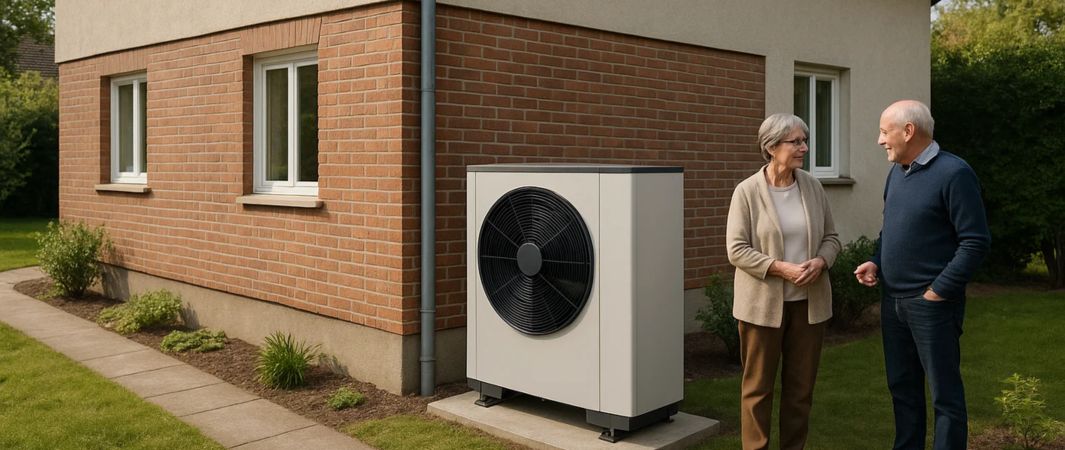
High-temperature heat pumps are used less frequently in new buildings with high-quality insulation and radiant floor heating, since low-temperature systems are now almost automatically considered in such cases. However, a large proportion of homes and apartment buildings still rely on traditional radiators and the original heating system, which was designed for high heating water temperatures of around 70–80 °C. It is precisely in such buildings that a standard low-temperature heat pump reaches its limits—it is less efficient when high water temperatures are required, and without system modifications, it often cannot reliably cover heat losses.
In this article, we’ll take a look at how a high-temperature heat pump works, when it makes sense to install one, what its main advantages and limitations are, and what to consider when designing a system.
What is a high-temperature heat pump, and how does it differ from a standard one?
A standard air-to-water heat pump for single-family homes is designed to work best with a low-temperature heating system —typically underfloor heating or large-surface radiators. In these systems, a heating water temperature of approximately 30–45 °C is usually sufficient. At these temperatures, the heat pump achieves high efficiency (COP) and significant savings compared to a gas boiler.
Ahigh-temperature heat pump is designed to:
- It could heat water to temperatures of around 70–80 °C,
- it could maintain these temperatures even at lower outdoor temperatures (for example, in winter),
- it could be used in systems where a conventional low-temperature heat pump would not be sufficient—for example, with older radiators.
Technically, this is achieved primarily through:
- two-stage compression or a cascade system (multiple compressors or circuits),
- the use of specific refrigerants (such as CO₂ or HFO blends), which allow for a higher outlet water temperature,
- optimizing heat exchangers and controls for operation at higher temperatures.
From the user’s perspective, however, the principle remains the same: a heat pump extracts energy from the surrounding environment (most often from the outside air) and, using a compressor, “raises” it to a higher temperature suitable for heating and hot water production.
When Is a High-Temperature Heat Pump Worth It?
A high-temperature heat pump isn’t the best choice for every building. However, there are situations where it can significantly simplify a heating system retrofit.
Older homes with original radiators
Many older single-family homes or smaller apartment buildings were designed to operate with a boiler and high-temperature radiators —with a water outlet temperature of 70–80 °C. With a standard heat pump:
- either it was not possible to reach the desired temperature in the rooms during the cold season,
- or it would be necessary to replace most of the radiators with oversized or low-temperature models.
In such a case, a high-temperature heat pump would make it possible to:
- keep the existing radiators,
- replace the original boiler (gas, oil) with a more modern and environmentally friendly heat source,
- minimize interior construction work.
Buildings Where High Water Temperature Is a Priority
A high-temperature heat pump may also be a viable option where:
- high water temperatures for specific technologies or domestic hot water (DHW) heating,
- Partial heat generation for smaller semi-industrial or commercial applications where a higher outlet temperature is required (for example, certain process heating applications, hot-water ventilation systems, etc.).
In these cases, it is important to consider a combination of heat sources and proper system configuration.
Gradual System Modernization
A high-temperature heat pump is also suitable in situations where the owner wishes to:
- first replace the heat source,
- and only later, if necessary, address improvements to the building envelope (insulation, window replacement) or radiator replacement.
Thanks to its ability to operate with higher water temperatures, the system is more flexible and can be adapted through a phased modernization process.
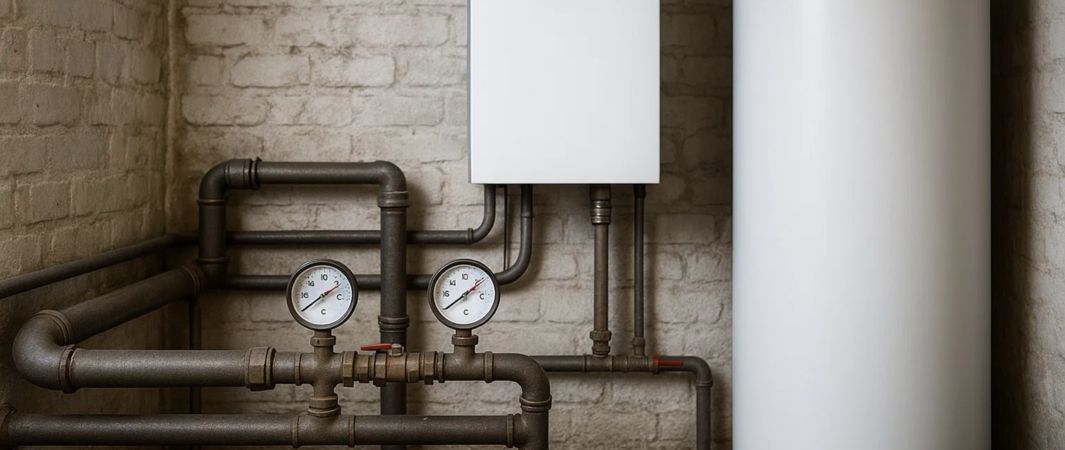
Benefits of a high-temperature heat pump
Minimal changes to the heating system
The biggest advantage is often the ability to keep existing radiators and piping. This means:
- less construction work,
- shorter installation time,
- less disruption to the interior (important in occupied buildings).
Replacing the boiler with a renewable energy source
A high-temperature heat pump allows you to:
- significantly reduce fossil fuel consumption,
- simplify operation (no need to stoke the fire, inspect the chimney, etc.),
- prepare the system for future tightening of emission and environmental requirements.
If a heat pump is combined with a photovoltaic system, part of the electricity consumption can be covered by the home’s own generation.
High DHW Temperature Without an Electric Heating Element
A high-temperature heat pump can often heat water to a higher temperature (e.g., 60–70 °C) with little or no electric backup heating. This is advantageous:
- from a hygiene perspective (reducing the risk of Legionella),
- and in terms of operating costs.
Limitations to Consider with High-Temperature Heat Pumps
Lower efficiency at very high temperatures
The higher the water temperature produced by the heat pump, the more demanding the entire process becomes. In practice, this means:
- at temperatures of 70–80 °C, the heat pump’s COP is lower than at 35–45 °C,
- The difference will show up on your electricity bills—it’s still a more cost-effective solution than direct-heating electricity, but the efficiency will be lower than with a traditional low-temperature system.
Therefore, it is important to:
- optimize the temperatures in the system—for example, lower the water temperature when it’s not extremely cold,
- address the building’s overall thermal balance (insulation, windows, temperature control).
Higher purchase price
High-temperature heat pumps are more complex in design (cascade systems, special compressors, heat exchangers), which is reflected in:
- a higher purchase price compared to standard low-temperature heat pumps,
- in some cases, also in the costs of specialized service.
When assessing the return on investment, it is necessary to take into account:
- the condition of existing radiators,
- the scope of necessary construction modifications,
- Expected energy prices and the possibility of subsidies.
Requirements for Professional Design and Service
A high-temperature heat pump operates:
- at higher temperatures,
- often at higher pressures or with specific refrigerants (e.g., CO₂).
Consequently:
- the need for professional design with an emphasis on safety and reliability,
- the need for a service partner with experience specifically with high-temperature systems and the refrigerants used.
What to Consider When Designing a System with a High-Temperature Heat Pump
Heat Losses and Actual Temperatures in the System
Before selecting a high-temperature heat pump, it is essential to:
- calculate the building’s heat losses,
- verify the actual temperatures the heating system requires under various outdoor conditions,
- Determine whether the required water temperature can be reduced (e.g., from 80 °C to 60–65 °C) after any insulation upgrades or window replacements.
It often turns out that the system was originally oversized “just to be safe,” and the actual temperatures may be lower—in which case, a high-temperature heat pump can achieve better efficiency than it might seem at first glance.
Condition and Type of Radiators
For existing radiators, it is important to:
- assess their condition (clogging, corrosion, sizing),
- consider replacing the most problematic or undersized radiators,
- examine the possibility of adding thermostatic valves and high-quality room-by-room control.
Even with a high-temperature heat pump, the lower the required water temperature, the better in terms of efficiency and costs.
Integration into Existing Systems
When replacing a heat source, the following must also be addressed:
- hydraulic connection to existing circuits (radiators, underfloor heating if applicable),
- connection to the DHW storage tank,
- backup or bivalent heat sources (e.g., a retained gas boiler for peak loads or electric supplemental heating).
Properly designed control determines whether the system will operate smoothly and efficiently or will frequently switch between modes and suffer from increased wear and tear.
Conclusion
A high-temperature heat pump is an attractive option, especially when replacing an existing boiler in a building with original radiators and a higher heating water temperature. It allows you to take advantage of the benefits of a heat pump—lower emissions, convenient automatic operation, and the ability to combine it with a photovoltaic system—without having to completely replace the heating system.
At the same time, however, it is true that high-temperature heat pumps have their limitations: lower efficiency at very high temperatures, a higher purchase price, and greater demands on professional design. Therefore, it is important to assess the specific building, the actual temperatures in the system, and the possibilities for phased modernization.
If you’re considering whether a high-temperature heat pump is suitable for your property, it’s worth consulting a designer or a specialized company that focuses on heating system design. Slovklima offers a selection of suitable heat pumps and expert advice on choosing a specific unit, so you can select a solution that makes both technical and economic sense.

FAQ
A high-temperature heat pump is a device capable of heating water to a higher temperature, approximately 70 to 80 °C.
It is particularly worthwhile in older homes and buildings with original radiators, where a standard low-temperature heat pump would not be sufficient.
Yes, in many cases it is possible to keep the existing radiators and piping. However, it always depends on their condition and the building’s actual heating needs.
It helps replace the original boiler, reduce fossil fuel consumption, minimize disruptions to the interior, and heat water to a higher temperature.
At very high temperatures, it has lower efficiency, a higher purchase price, and requires professional design and experienced service.
It is important to know the building’s heat loss, the required heating water temperature, the condition of the radiators, and the options for connecting to the existing system.