 info@slovklima.sk
Freezers: what you need to know

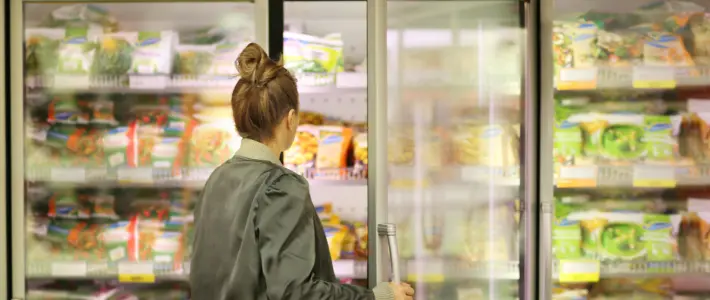
A freezer is a refrigerated storage area designed to maintain a constant low temperature for storing items such as food, pharmaceuticals or other temperature-sensitive products. It is thus a controlled environment equipped with refrigeration units that regulate and determine the range of low temperatures. But how to navigate the market? How do I know which freezer I need and why?
Freezers play a key role in industries such as food storage, distribution and pharmaceuticals. They are crucial where precise temperature control is required to maintain product quality and safety. They are well insulated to minimise heat transfer, ensuring that the internal temperature remains stable. They come in a variety of sizes and designs to suit different storage needs. They can range from small stand-alone units to large industrial sized cold stores. Of course, they tend to be equipped with refrigeration units such as evaporators, condensers, compressors.
What are freezers and what are they for?
A chest freezer, or commercial freezer, is equipment that allows products to be kept cold. It can come in a variety of styles, sizes and configurations. For this reason, certain models may be a better option than others for a given purpose. Different types of these devices can be found in restaurants, hotels, stores or bakeries. However, each establishment is different and so has different expectations of freezers.

Freezers can be custom-made to suit your needs. They are usually made of heat-insulating panels, which are sheathed on both sides with galvanized painted sheet metal. The filling consists of polyurethane foam, which determines their thermal insulation properties. However, these depend on the thickness of the filling. Specific requirements such as temperature, humidity and handling are taken into account for custom-made freezer boxes. One of the options you have to choose from are container freezers, which can be handled in any way and moved to another location if necessary. Bulk freezers are also common practice.
Condensing units are often used for freezer freezing, with evaporating temperatures ranging from -18 °C to -50 °C. Such a condensing unit can have a capacity of 1 to 90kW. Of course, the output can be controlled and, if necessary, reduced by up to 10%, which helps to reduce consumption and energy costs. In case of higher power requirements, the condensing units can be connected in so-called “combined units”, which makes the resulting power virtually unlimited.
Key factors when choosing a freezer
Consider your needs when looking for the ideal freezer. Think about what products you will be storing. How powerful a freezer you need will depend on this. Don’t underestimate the location either, so think ahead about where the freezer will go. Make sure there is enough space for it and that there will be room for ventilation. Also make sure there is an accessible electrical socket near the location, otherwise you will need to install a new one. When you consider these points, it will be easier for you to choose the right type and size of freezer.

Freezers are essential to keep your supplies fresh and in compliance with safety standards. With many options available on the market, choosing the most ideal one can be a bit frustrating. First and foremost, try to find the right balance between the amount of goods you need to store and the space you have available. The size and design of the freezer box will determine how much stuff you can fit in it.
In industrial production, aesthetic considerations are overwhelmingly subordinated to functionality. Therefore, things like colour are not addressed. What is important is the internal volume, cooling or freezing capacity or other technical parameters. The colour scheme is therefore practically the same – universal grey or silver (RAL 9002) according to the PUR panels from which the boxes are made. However, nobody prevents the end customer from customising the box in colour.
Freezers and their environmental impact
The drive towards more sustainable refrigeration practices is evident from supermarkets to pharmaceutical companies. Regular maintenance and proper installation of refrigeration systems are essential to their efficiency and longevity. Ensuring these systems are installed correctly minimises energy leakage and optimises performance, leading to lower energy consumption. Investing in energy efficient cooling systems is another effective way to reduce environmental impact.
Modern refrigeration units are designed to consume less energy and are often equipped with more environmentally friendly refrigerants with a lower potential impact on global warming. Incorporating renewable energy sources, such as solar or wind power, into a refrigeration system’s energy supply can significantly reduce its carbon footprint. Renewable energy sources produce less CO2 and other harmful emissions. Adopting smart cooling technologies is a progressive method to improve environmental sustainability.
Conclusion
The right choice of freezer can mean a lot. Whether you run a restaurant, own a grocery store or oversee distribution deliveries, choosing the right freezer is paramount to ensuring product quality and longevity. Take the first step towards efficient preservation of your products and find out about the options available at Slovklima.sk.